
Maintaining your railcar fleet's health is crucial for smooth operations and minimizing costly disruptions. Understanding the different types of railcar repairs, specifically running and contract repairs, can help you make informed railcar maintenance decisions that fit your goals. In this blog, we'll delve into the nuances of these repair types, guided by the Association of American Railroads (AAR) rules, and highlight the importance of proactive monitoring for railcar health.
Types of Railcar Repairs
Railcar repairs are broadly classified into two categories: running repairs and contract repairs. Each type plays a vital role in maintaining the operational efficiency and safety of railcars. Running repairs are typically performed on site by railroads when a car is found to have safety or operational impairments during interchange inspections. In contrast, contract repairs are pre-planned maintenance activities carried out at designated repair facilities.
AAR Rules Governing Railcar Repairs
The Association of American Railroads (AAR) sets stringent rules that govern railcar repairs, ensuring that all railcars used in interchange adhere to industry standards. These rules are designed to maintain the safety and reliability of the rail network. When a railcar is interchanged (transferred from one railroad to another), it undergoes a thorough inspection. Should any safety or significant operational issues be identified, immediate repairs, known as running repairs, are mandated to keep the railcar in service and avoid potential delays. Running repairs also address any open alerts on the railcar that have risen to a level requiring the handling carrier to take action.
What are Running Railcar Repairs?
Running repairs refer to maintenance activities performed by railroads during the interchange process. These repairs do not require car owner approval as they address immediate concerns such as loose handholds, broken crossover platforms, or overdue air brake testing. The primary goal is to keep the railcar moving safely and efficiently without causing delays.
Pros of Running Repairs
- Immediate Action: Addressing safety issues promptly ensures the railcar can continue its journey without significant delays.
- Minimal Downtime: On-site repairs prevent extended downtime, keeping freight moving smoothly.
- Streamlined Process: Railroads perform repairs as governed by the AAR rules, eliminating delays caused by waiting for car owner approvals.
Cons of Running Repairs
- Higher Costs: Running repairs are billed at AAR rates, which are typically more expensive than contract shop repairs.
- Limited Control: Car owners have no say in the components or repair methods, which might not align with their preferences and can lead to unexpected outcomes.
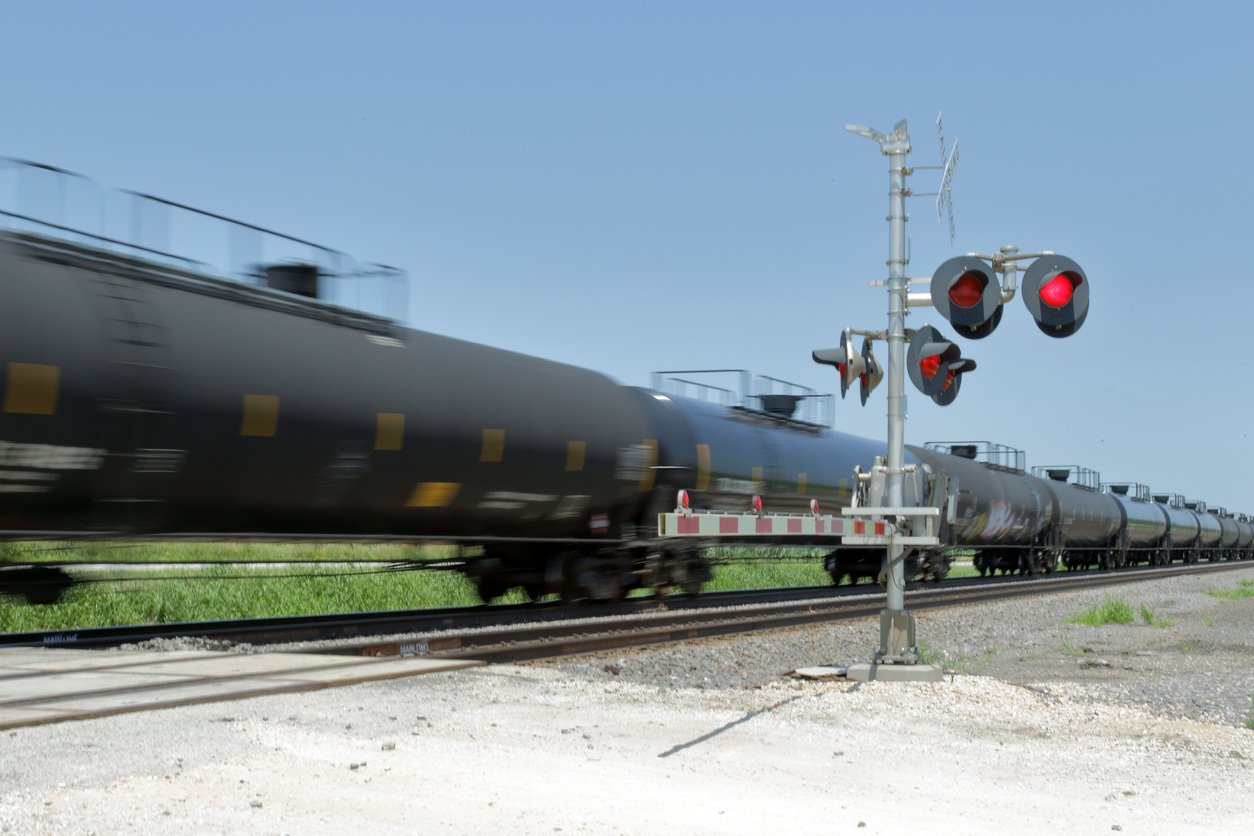
Running repairs keep railcars moving without delays.
What are Contract Railcar Repairs?
Contract repairs involve maintenance and repair activities carried out at designated repair facilities, as approved by car owners. These repairs require an estimate and approval from the car owner before work begins. This approach allows for better control over the repair process and cost management.
Pros of Contract Repairs
- Cost-Effective: Contract repairs are typically cheaper than running repairs, as they are not subject to AAR rates.
- Owner Control: Car owners can specify the components used and request additional maintenance tasks, optimizing the repair process.
- Work Grouping: Combining multiple repair tasks can save on transportation costs and reduce repeated trips to the shop.
Cons of Contract Repairs
- Routing Costs: Transporting a railcar to a contract shop incurs additional costs and time.
- Approval Delays: The need for owner approval can delay the initiation of repairs, potentially leading to extended downtimes.
Importance of Proactive Railcar Health Monitoring
Proactively monitoring railcar health is key to minimizing maintenance costs and preventing service disruptions. The TransmetriQ Platform pulls EHMS alerts, Umler® data and DDCT incidents into one dashboard. You'll see which cars have open alerts, which are due for maintenance, and where each one is right now, all without logging into separate systems. With health, lease and movement data side by side, you'll be able to make smarter, faster decisions that reduce maintenance costs and prevent avoidable disruptions.
Benefits of Proactive Monitoring
- Cost Savings: Addressing issues early can prevent more extensive and costly repairs.
- Reduced Downtime: Proactive maintenance helps avoid unexpected service disruptions and delivery delays.
- Efficient Fleet Management: Identifying opportunities for work grouping minimizes the time railcars spend out of service.
Understanding the differences between running and contract repairs can help fleet managers take the approach that fits their goals. Running railcar repairs help ensure safety, but proactive fleet monitoring and intervention can help reduce time out of service and repair costs.
Proactive Railcar Maintenance Planning
Achieve peace of mind with a proactive maintenance plan. Whether you want hands-on control of your fleet data or expert guidance to build your strategy, TransmetriQ has you covered:
- Manage it yourself: Monitor fleet health and plan maintenance in the TransmetriQ Platform. EHMS, Umler®, and DDCT insights all sit in one dashboard.
- Get expert support: Contact our Managed Services team for expert advice and a maintenance strategy built for your fleet.