icons
fading-image

Ad Valorem Rail Tax Speed Studies

Reduce your ad valorem tax burden by ensuring your rail fleet is taxed on actual use, not default assumptions.

Stop Overpaying Ad Valorem.

Most jurisdictions charge a standard rate. Your actual railcar utilization could qualify you for a much lower tax rate.

A speed study ensures you only pay what you should.

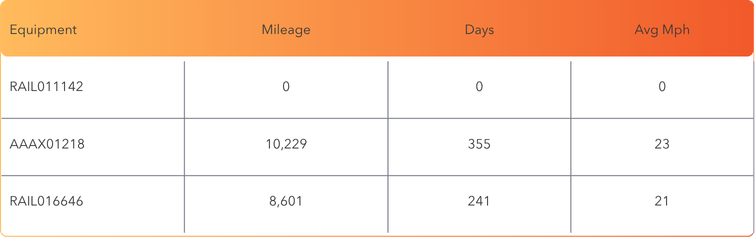
Ad valorem speed study example
Default tax formulas often assume higher utilization. A speed study replaces those assumptions with actual mileage, days, and speed.

How You Can Reduce Your Ad Valorem Tax Burden

Railcar Speed Studies

A railcar speed study is a jurisdiction‑specific report that uses authoritative Railinc movement data to calculate how long and how far your railcars actually operated within a state. Taxing authorities use this data to replace default assumptions with real, verifiable usage, often lowering your tax burden.
 

Don't pay more than you should. TransmetriQ Railcar Speed Studies provide defensible activity data that helps railcar owners challenge inflated assessments.

Ellipse

What's included in a rail speed study?

icon lease optimization
Rail Movement Events

TransmetriQ rail speed studies include the first and last movement events seen in the taxing jurisdiction, providing evidence of where, when, and for how long your railcars were in the region.

icon on demand
Miles & Time Spent

We calculate the miles your fleet traveled and the total amount of time spent in the region. 

icon monitoring
Speed & Unusual Activity

We include statistics for the rate of speed in the jurisdiction, which can often help reflect lower strain on the jurisdiction's infrastructure. We also review movements for anything unusual that might support a lower burden.

icon invoice auditing
Jurisdiction-Specific

Rail data can be complex. Our team will discuss whether a speed study is appropriate based on your taxing jurisdiction. 

ellips

Take Control of Your Ad Valorem Tax Burden

Default tax rates don't reflect how railcars actually move. With the right supporting data, you can stop overpaying.

FAQs

Rail data and ad valorem taxation can be confusing. Our team is here to help.

How does a speed study reduce my ad valorem tax burden?

A speed study provides your rail fleet's actual usage within a state based on time, speed, or mileage. Many taxing jurisdictions accept that as evidence to issue a new, lower tax rate.

How do I know a speed study is accepted in my jurisdiction?

Great question. It's usually noted on the state or region's department of revenue site. Feel free to contact us to discuss, making sure to note which jurisdictions your rail fleet operates in.

Why TransmetriQ for Ad Valorem tax speed studies?

Ad valorem tax rules vary widely. Working with TransmetriQ rail data experts ensures you get curated evidence of rail activity in the taxing jurisdiction, formatted exactly how you need to submit it to the taxing entity.  Since we are a Railinc brand, the data used in your speed study comes straight from the authoritative system of record for North American freight rail.

  • Built on Railinc’s industry‑designated systems of record
  • Customized to each jurisdiction’s valuation methodology
  • Reviewed with rail data experts
When are Ad Valorem tax filings due?

Ad valorem rail tax deadlines vary by state, but in 2026, more than 50% are due by April 30, 2026. View our infographic of deadlines by state here.

Ellipse

Related Content

image (4)
How Railcar Owners Can Reduce their Ad Valorem Tax Burden

 Getting ready for your Ad Valorem taxes this year? You might be able to pay less. Learn how a speed study can help you support a lower rate in this blog from Railinc data scientist Gregg Phillips.

iStock-1062791892
Ad Valorem Tax Deadlines by State

Not sure when ad valorem tax filing deadlines are due in your operating regions? This infographic shows the 2026 deadlines by state. 

image (6)
What are Fleet Repair Cost Analyses?

 Managing railcar repairs means understanding where costs come from and finding opportunities to reduce unnecessary expenses. A fleet-wide repair cost analysis helps managers uncover trends, identify recurring issues, and take proactive steps to minimize unnecessary expenses. 

arrows-right